From medical devices and electric vehicles to environmental protection and robotics, recent news stories have highlighted the different ways polyurethane materials are being used to meet demanding technical requirements. Flexibility, durability, lightweight performance and the ability to tailor material properties continue to support applications across a wide range of sectors.
Healthcare is one area where these properties are particularly valuable. Plastics Today recently examined the use of thermoplastic polyurethanes in medical devices. The material combines flexibility with strength, while its properties can be adjusted for different applications. This makes TPU suitable for products ranging from soft, flexible tubing and thin-wall catheters to durable moulded components, seals, films and prosthetic components.
Another example comes from Brazil, where G1 reported on the development of a dermal pad designed for people who use gastrostomy devices. The researcher behind the project selected polyurethane because of its flexibility, using the material as part of a solution intended to make the area around the gastrostomy device more comfortable for patients.
Polyurethane-based materials are also finding specialised uses in surgery. A case report published by Podiatry Today described the reconstruction of a chronic plantar fascia rupture using a synthetic polyurethane urea-based matrix. In the reported case, the material was used to reinforce the damaged tissue. The patient’s functional score improved following surgery, and after six months the patient had returned to walking four miles per day. As a single case report, it represents one specific clinical experience, but it illustrates another highly specialised application for polyurethane-based biomaterials.
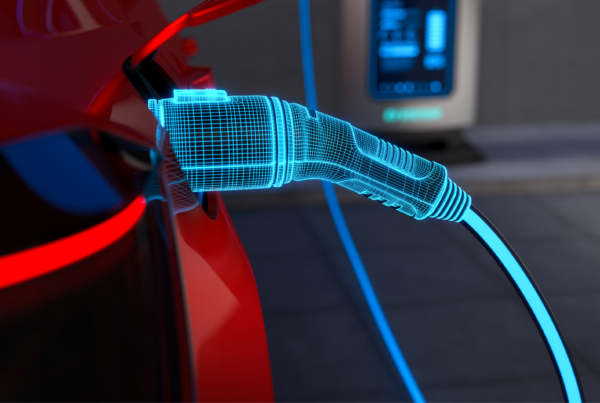
Mobility is another field where polyurethane’s combination of lightweight performance, durability and design flexibility is being explored. ChemAnalyst reported on a new strategic partnership between Covestro and BYD covering advanced materials for electric vehicles, batteries, energy storage and other technologies. Polyurethane solutions are among the materials expected to support applications requiring lightweight construction, structural performance, durability and thermal management.
The automotive sector is also providing opportunities for technologies developed in other industries. Japanese media outlet Sankei Shimbun reported on Wacoal’s work to extend its thermoplastic polyurethane technology into automotive applications. Working with BASF, Wacoal has developed an automotive armrest concept using its 3D fibre-forming technology and TPU. The concept demonstrates how the material can contribute to lightweight components, comfort, design freedom and mono-material approaches for vehicle interiors.
Beyond mobility, polyurethane is also contributing to technologies designed to protect the environment. Italian newspaper Il Messaggero covered Hyundai’s Mission to Blue initiative in Livorno, Italy. The project uses FoamFlex technology developed by Italian clean-tech company T1 Solutions. The open-cell foam is designed to selectively capture oils and hydrocarbons from water without absorbing the water itself. According to Hyundai, the material can absorb up to 30 times its own weight, can be reused up to 200 times and allows the captured oil to be recovered.
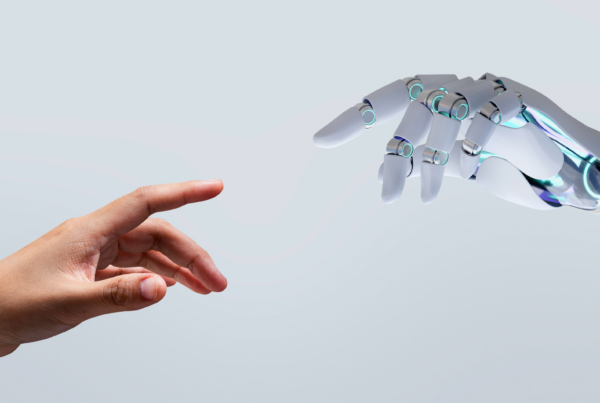
Polyurethane foam is even finding applications in the rapidly developing field of robotics. South Korean materials company ICH has begun supplying high-performance PU foam for physical-AI robots. The material is intended for applications exposed to repeated movement, impacts and vibration, where properties including low weight, resilience, vibration absorption and durability are important. More recent reporting indicates that the foam is also being applied in robot joints such as fingers and wrists, helping absorb shocks and vibrations during repeated operation.
These developments show how the properties of polyurethane can be adapted to very different needs. Whether providing flexibility in a medical device, supporting lightweight electric vehicles, helping capture pollutants from water or cushioning the moving parts of a robot, polyurethane continues to appear in new applications where material performance matters.