Recent media coverage highlighted the role of polyurethane in sport, construction, footwear, technology and circularity. The stories ranged from high-performance equipment and unusual architecture to wearable electronics and new recycling processes.
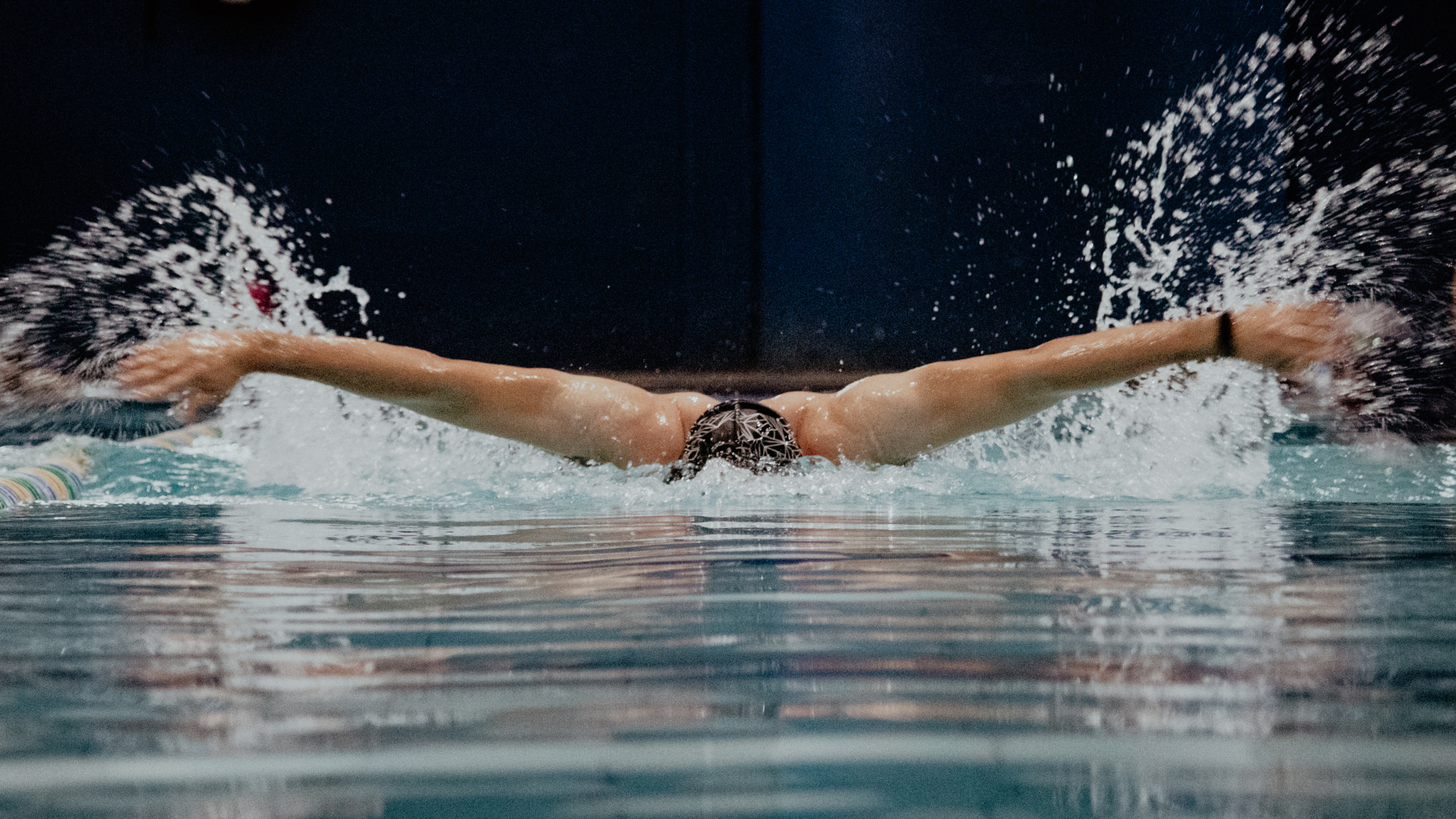
Several international outlets, including Business Insider, El País and Euronews, reported on the Enhanced Games. Swimmer Kristian Gkolomeev completed the men’s 50-metre freestyle faster than the recognised world record while wearing a polyurethane racing suit, although the result is not eligible for official recognition as such suits are banned under official competition rules.
In football, Chemical & Engineering News noted that polyurethane has long been used in football coatings and foam layers to improve durability, water resistance and shape recovery. The Times of India also reported that the 2026 World Cup ball uses a polyurethane skin to help retain its shape and air pressure.
In tennis, Plastics News reported that Polish player Maja Chwalinska used polyurethane grip tape during her run to the French Open final, rather than a traditional leather grip.
In construction, Realtor.com featured a Gainesville, Florida, house built in 1972 using sprayed polyurethane foam and steel reinforcement. Known as the “foam dome home”, the building has no straight walls or flat surfaces and has reportedly survived numerous storms without leaks or structural damage.
Footwear innovation also attracted attention. The New York Times reported on Puma’s Fast-R Nitro Elite 3 running shoe, which uses a newly formulated thermoplastic polyurethane foam. Research funded in part by Puma found that the shoe could improve running economy by approximately 3.1% to 3.6% compared with other advanced marathon shoes.
In technology, The Hankyoreh reported that researchers from Hanyang University, the University of Seoul and Sungkyunkwan University combined polyurethane fibres with conductive hydrogels and silver-based interconnectors to create a stretchable electronic textile. The material was used in a lightweight full-body tactile suit known as TESS, with possible applications in virtual reality, rehabilitation and therapeutic technologies. The research is described in a Nature Communications paper.
In Japan, Dai-ichi Kogyo Seiyaku received the 76th Industrial Technology Award for an aqueous polyurethane resin dispersion with high heat resistance. According to the award announcement, the design uses water instead of an organic solvent, helping to reduce volatile organic compound emissions.
Circularity remained another important theme. VitriCycle LLC received a patent for an energy-efficient vitrimerisation process that converts post-use polyurethane foam into reusable sheets or pellets.
Meanwhile, IT-Boltwise covered Covestro’s EU-funded Bio4PURConti project, which aims to advance bio-based polyurethane production using biomass-derived feedstocks and biotechnology.
Finally, Chemical Industry Digest and Indian Chemical News reported that Evonik is developing a chemical recycling process at its Hanau site in Germany. Supported by the state of Hesse, the process is intended to recover chemical components from polyurethane foam waste for reuse.
Together, these stories show how polyurethane continues to support performance, durability, design flexibility and the development of more circular material systems.