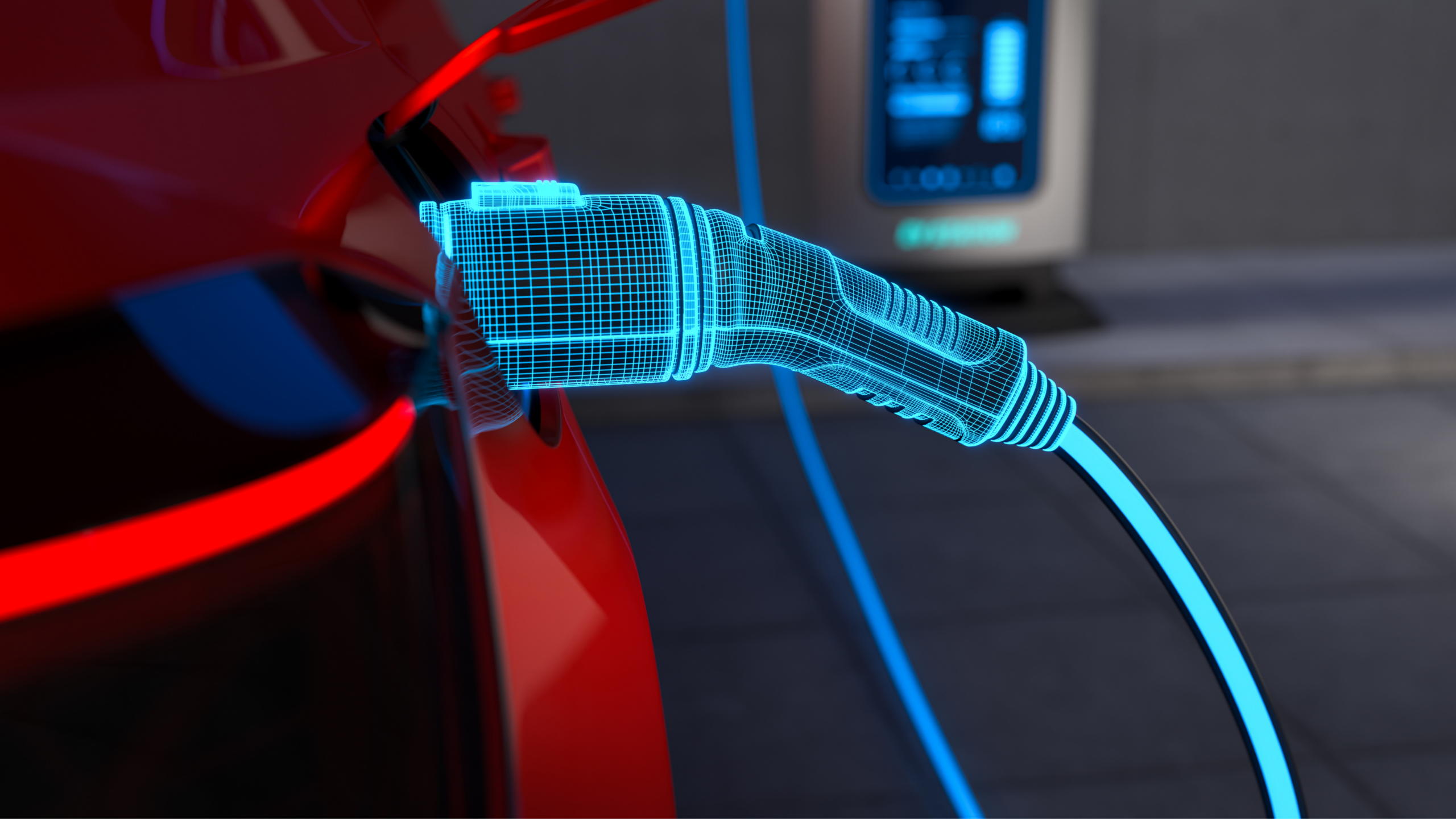
Electric vehicles are changing more than how cars are powered. They are creating new demands for the materials used to build them. At the centre of an electric vehicle is its battery pack, a complex system that must store large amounts of energy while remaining protected from heat, vibration, moisture and mechanical stress. Polyurethane is one of the materials increasingly used to help meet these requirements. Inside an EV battery, polyurethane-based materials can perform several different functions, including bonding components, managing heat, insulating electronics and providing mechanical protection.
Holding the battery together
An EV battery pack can contain hundreds or even thousands of individual cells. Depending on the design, these may be assembled into modules or integrated more directly into the battery pack. The cells and other components need to remain securely positioned while being exposed to vibration, temperature changes and mechanical stresses during vehicle operation. Adhesives therefore play an important role in battery assembly, including for structural bonding, cell and module assembly, thermal management and sealing. Polyurethane adhesives can be formulated to combine bonding strength with flexibility and ductility, helping them accommodate stresses associated with movement, vibration and thermal expansion within a battery pack.
Keeping batteries at the right temperature
Temperature management is one of the key engineering challenges in EV batteries. Battery cells generate heat during charging and driving, and excessive or uneven temperatures can affect performance and battery life. Polyurethane is naturally a relatively poor conductor of heat, but formulations can be modified with thermally conductive fillers. This allows polyurethane materials to retain useful adhesive or mechanical properties while transferring heat more effectively.
Thermally conductive polyurethane adhesives can therefore perform more than one function, providing structural bonding while also helping transfer heat between battery cells or modules and the cooling system. In May 2026, Henkel introduced a two-component polyurethane adhesive for cell-to-pack battery designs with a reported thermal conductivity of 2 W/m·K. An earlier polyurethane battery adhesive developed by the company reached 3 W/m·K. Polyurethane can also be used in thermal gap fillers. These materials fill small or irregular spaces between battery components and cooling surfaces, helping create a more continuous route for heat to travel. Parker’s CoolTherm UR-3000, for example, is a two-component urethane gap filler with a reported thermal conductivity of 3.2 W/m·K while also providing electrical insulation.
Protecting sensitive components
The battery cells themselves are only one part of an EV battery. Battery management systems monitor factors such as temperature, voltage and charge levels and contain electronic components that need protection from vibration, moisture and temperature fluctuations. Polyurethane potting compounds can encapsulate or partially cover these electronics, providing electrical insulation and mechanical protection. In 2026, for example, Wevo introduced a polyurethane system designed for selectively potting battery-management-system circuit boards. The material combines electrical insulation with thermal conductivity and is designed to absorb shocks, vibrations and stresses caused by changing temperatures.
Polyurethane foams can fulfil another role. Low-density, flame-retardant polyurethane systems can be used to surround battery cells, providing mechanical support and helping slow heat transfer between cells during an abnormal thermal event. H.B. Fuller, for example, has developed polyurethane foams specifically for battery-cell potting and encapsulation.
Looking towards more circular batteries
As EV deployment grows, attention is also turning to what happens when batteries reach the end of their useful life.
Strong structural adhesives are valuable during vehicle operation, but permanent bonds can make battery packs more difficult to dismantle for repair, reuse or recycling. This is driving research into “debond-on-demand” technologies, in which adhesive bonds could be weakened using heat or another controlled trigger during dismantling.
Researchers are also investigating alternative feedstocks. A study published in the Journal of Applied Polymer Science developed a thermally conductive structural polyurethane adhesive using commercially available castor-oil-based polyols. The laboratory-scale material combined thermal conductivity with structural bonding performance, demonstrating one possible route towards incorporating renewable raw materials into future battery adhesives.
As EV battery designs continue to evolve, the materials used inside them will need to meet increasingly demanding requirements for performance, safety, manufacturing and end-of-life management. Polyurethane offers a flexible chemistry that can be adapted for several of these functions, from structural bonding and thermal management to electrical insulation and mechanical protection. Although largely hidden from view, these applications illustrate how materials innovation is supporting the continued development of electric mobility.